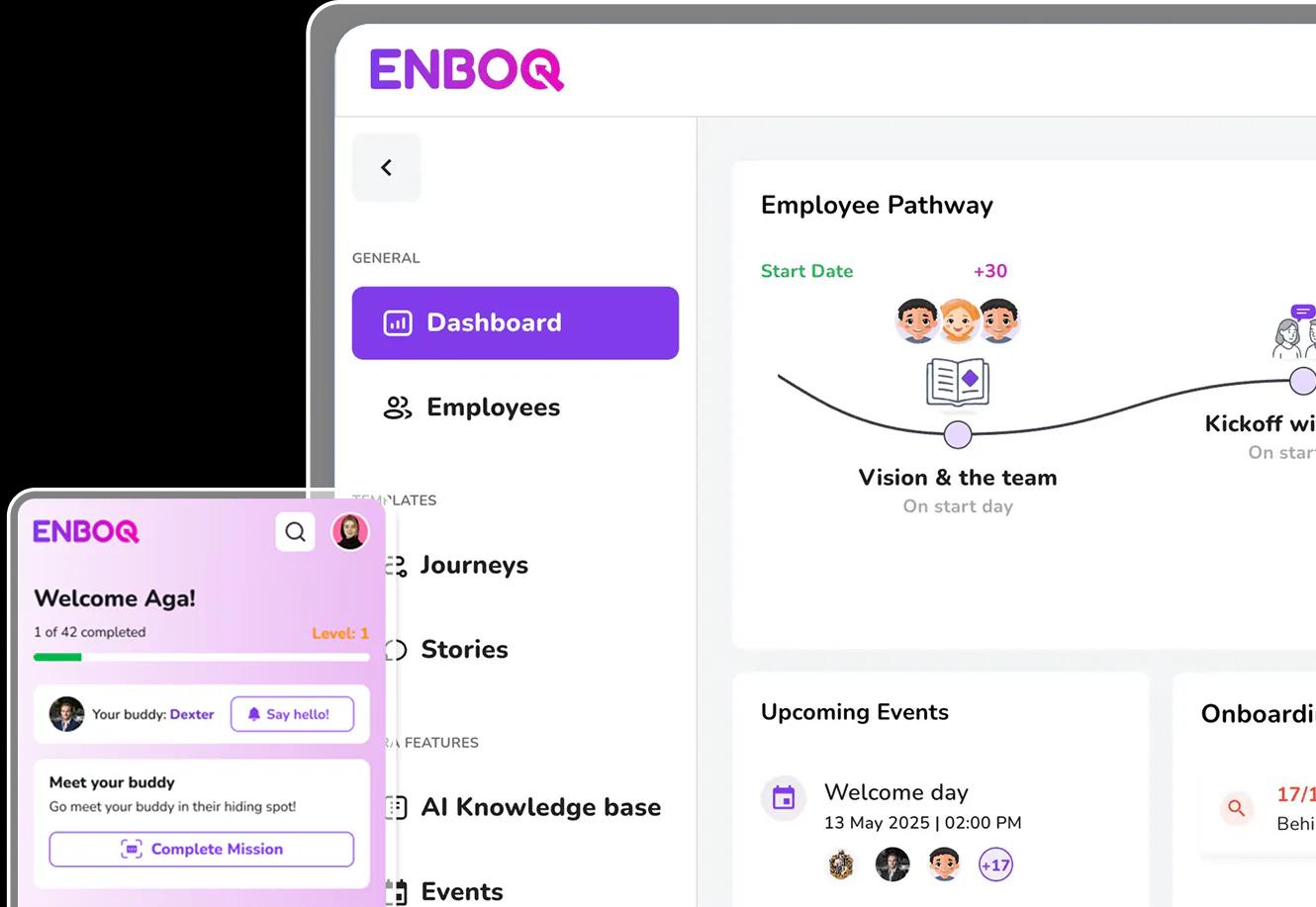
Employee Journey
Your structured path from first day to full integration; automated, personalized, and designed to actually work.
These Companies Already Have Their Onboarding in 2030




The Black Box Problem
As long as HR leads the process, onboarding follows the plan. Days one through three work perfectly. New hires complete paperwork, attend orientation, meet their team. HR coordinates every step and everyone follows the script.
Then HR hands responsibility to managers, and the plan disappears into a black box. Some managers are exceptional. They make onboarding their mission, schedule every check-in, follow up religiously, and create amazing experiences. Others have every intention to do the same but get swept away in daily operations. Urgent meetings consume their calendar. Deadlines demand attention. The new hire seems fine working independently, so the thirty-day check-in gets postponed. The sixty-day review never happens. The ninety-day conversation that determines whether someone stays gets forgotten entirely.
This is not because managers do not care. This happens because onboarding coordination without systematic enforcement is impossible when twenty other priorities compete for attention every day. The new hire feels abandoned. The manager feels guilty. HR spends countless hours sending reminders that disappear into busy inboxes. Our Employee Journeys eliminates the black box completely. The system makes things happen automatically instead of hoping people remember. Everyone moves through a structured path that enforces itself. New hires see exactly where they are and what comes next. Managers get specific prompts when their involvement matters. HR stops firefighting and starts optimizing.
Why Employee Journeys Matter
Time-to-productivity stretches painfully.
Without structure, new hires spend weeks learning what should take days. They hesitate to ask questions. They repeat avoidable mistakes. The difference between contributing at month three versus month six represents thousands in lost productivity per person.
Teams carry the burden.
When new hires struggle, current team members compensate. They answer the same questions repeatedly, fix mistakes, and pick up work the new person should handle. Organizations report teams become three times more overworked when new hires lack structured support.
Early turnover destroys ROI.
Between 28-33% of new hires leave within their first ninety days. Replacement costs reach 33-200% of annual salary. For a €70.000 hire, early turnover burns twenty-three to one hundred forty thousand euros with zero return.
Improvement happens blindly.
Without systematic tracking, HR cannot identify which managers onboard well, where new hires get stuck, or what drives retention. Flying blind means fixing nothing.
Employer brand suffers silently.
Research shows ninety percent of the stay-or-leave decision happens in the first six months. Poor onboarding does not just lose the person who quit. It loses the ten people they would have referred.
The results speak for themselves
Organizations using Our Employee Journeys see transformative impact across every metric that matters.

84% completion rate versus fifteen to thirty percent in traditional e-learning systems. When activities happen automatically at optimal moments with clear purpose, people complete them.

67% faster cultural integration compared to traditional orientation programs as new hires move from confused to confident in weeks instead of months. Structured sequencing means learning foundations before advanced concepts.

71% lower early turnover during the first ninety days. Automated check-ins ensure managers connect at critical moments. Clear expectations prevent misalignment that drives people away.

89% less HR coordination time as the system handles scheduling, reminders, tracking, and follow-up automatically. HR shifts from firefighting to optimization.

43% higher manager satisfaction as they receive clear guidance about when involvement matters instead of vague responsibility for everything.
How it works
Employee Journeys transforms onboarding from fragmented chaos into orchestrated experience through four interconnected steps.
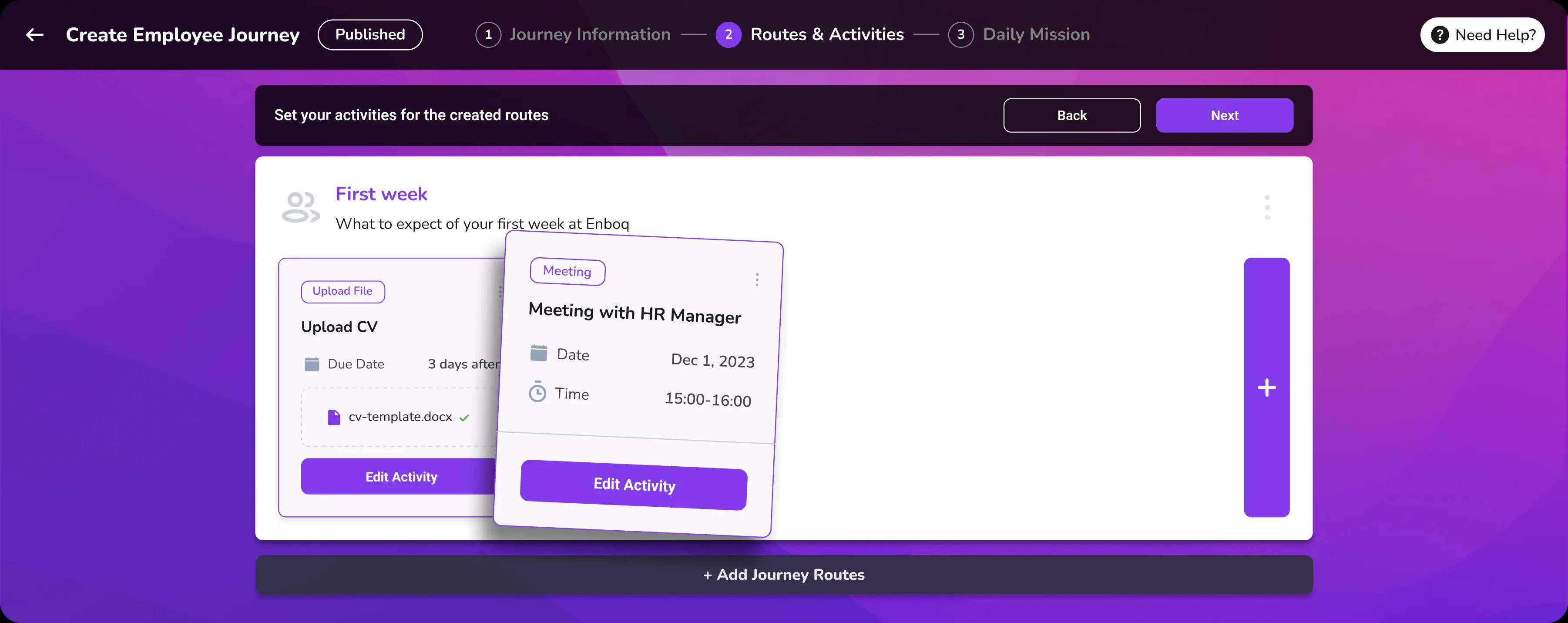
Step 1: Build your journey once
HR uses the Journey Builder to create structured paths for different roles, departments, or locations without writing code. Drag activities into a timeline, set triggers, establish dependencies, and customize messaging.
Create as many variations as needed. Sales hires follow different paths than engineers. Remote employees see different content than office staff. The system routes each new hire into the right journey automatically based on their employee data.
Control timing and flow completely. Decide which activities appear when, who gets notified, what happens automatically. Complete laptop setup early and next activities unlock immediately.
Most organizations start with templates ENBOQ provides, then adapt to their culture. Initial setup takes four to six hours for a standard path. Every subsequent hire experiences it without additional coordination.
Step 2
New hires experience their adventure
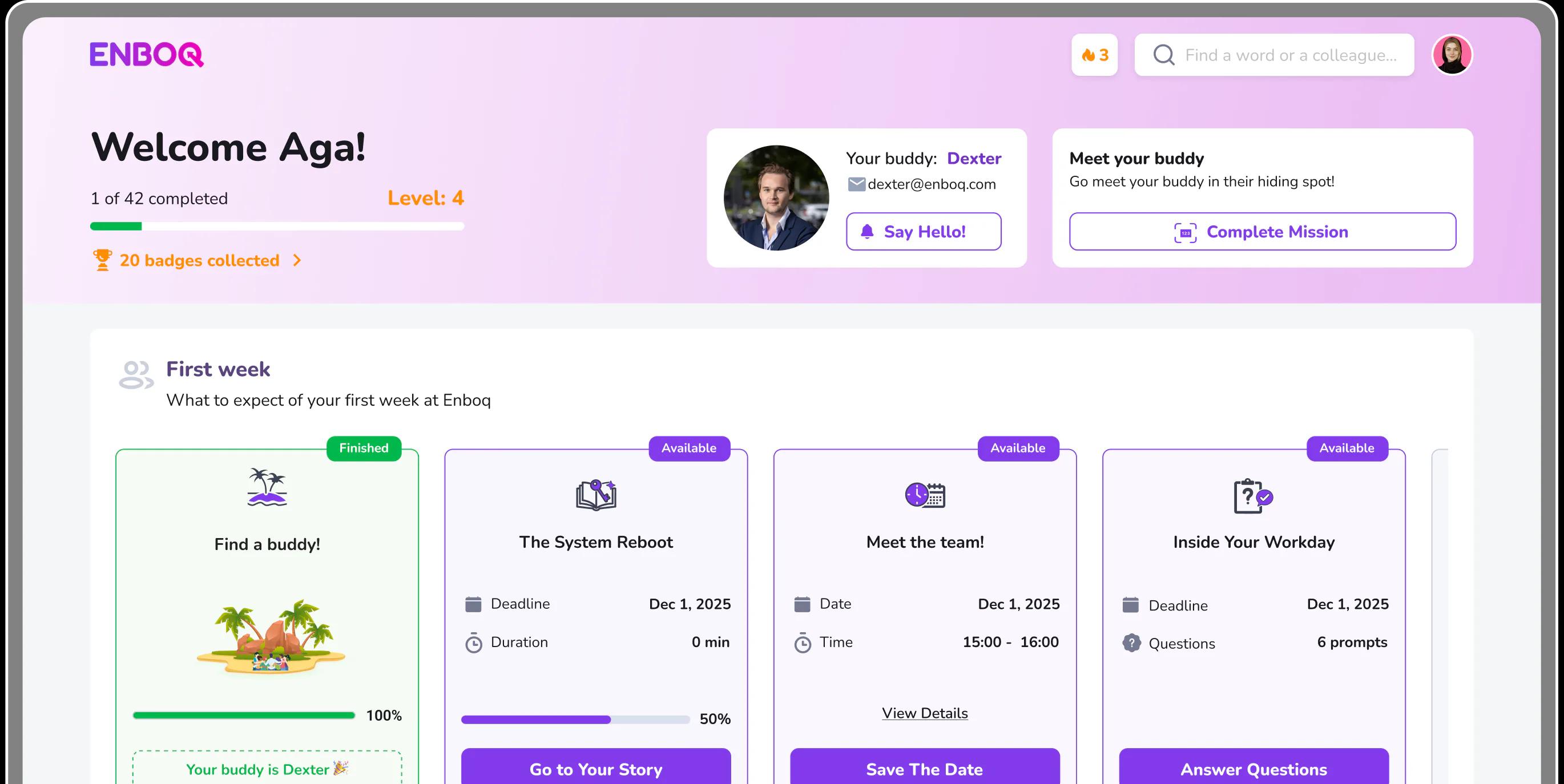
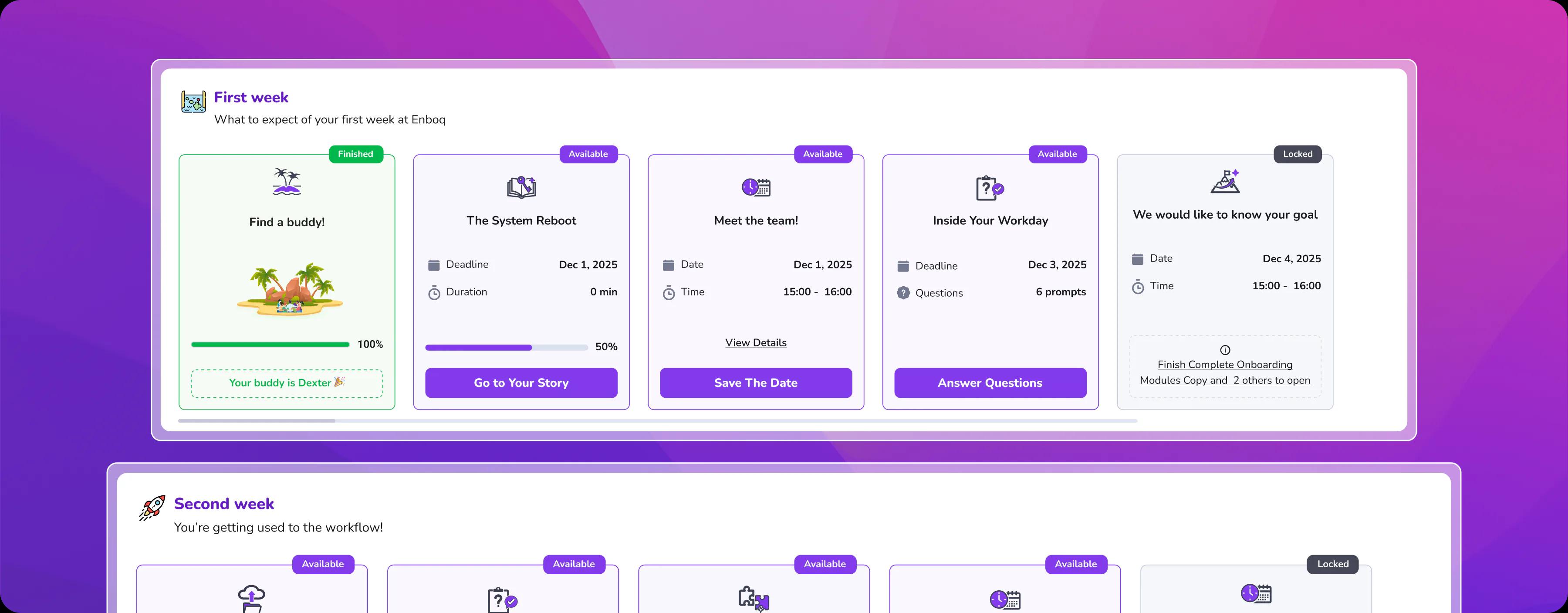
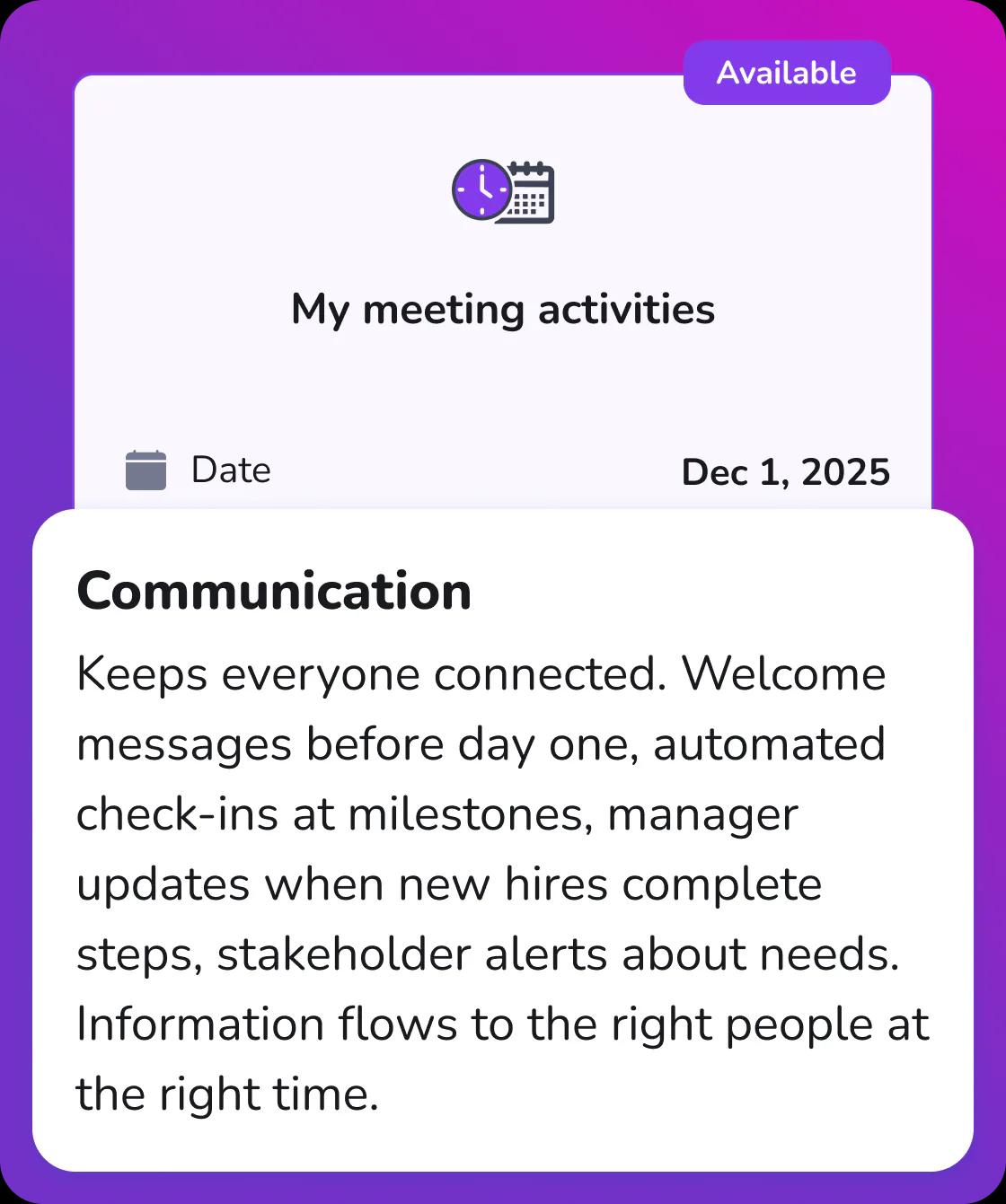
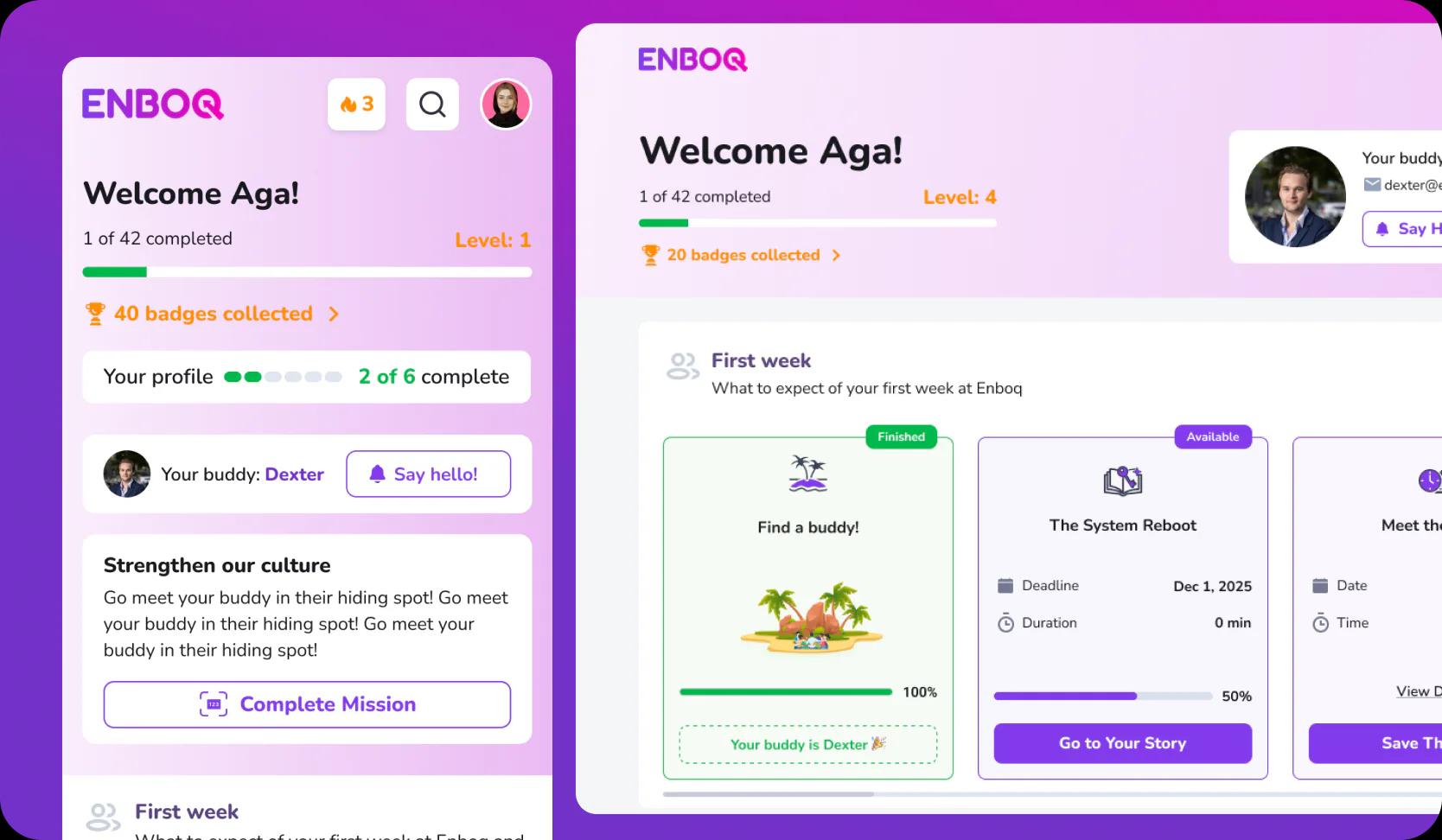
From acceptance, the journey begins. New hires receive a welcome message and access their dashboard showing exactly what to expect. No guessing, just a clear roadmap.
Step 1: Build your journey once
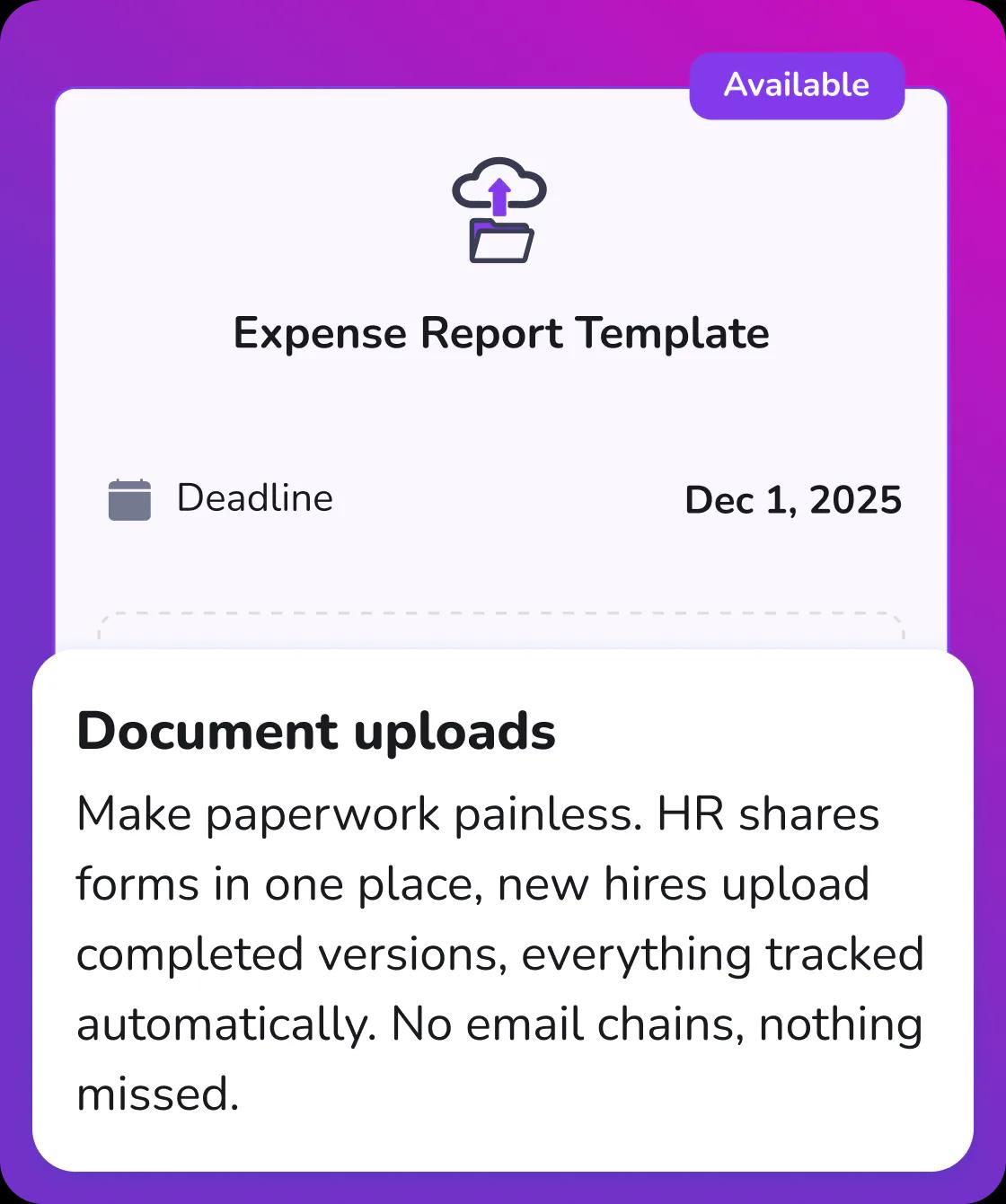
Each day brings perfectly timed activities. Monday: escape a virtual island teaching company values. Tuesday: upload contract, meet buddy. Wednesday: complete a team puzzle. Thursday: set goals with manager. Friday: attend orientation with cohort peers.
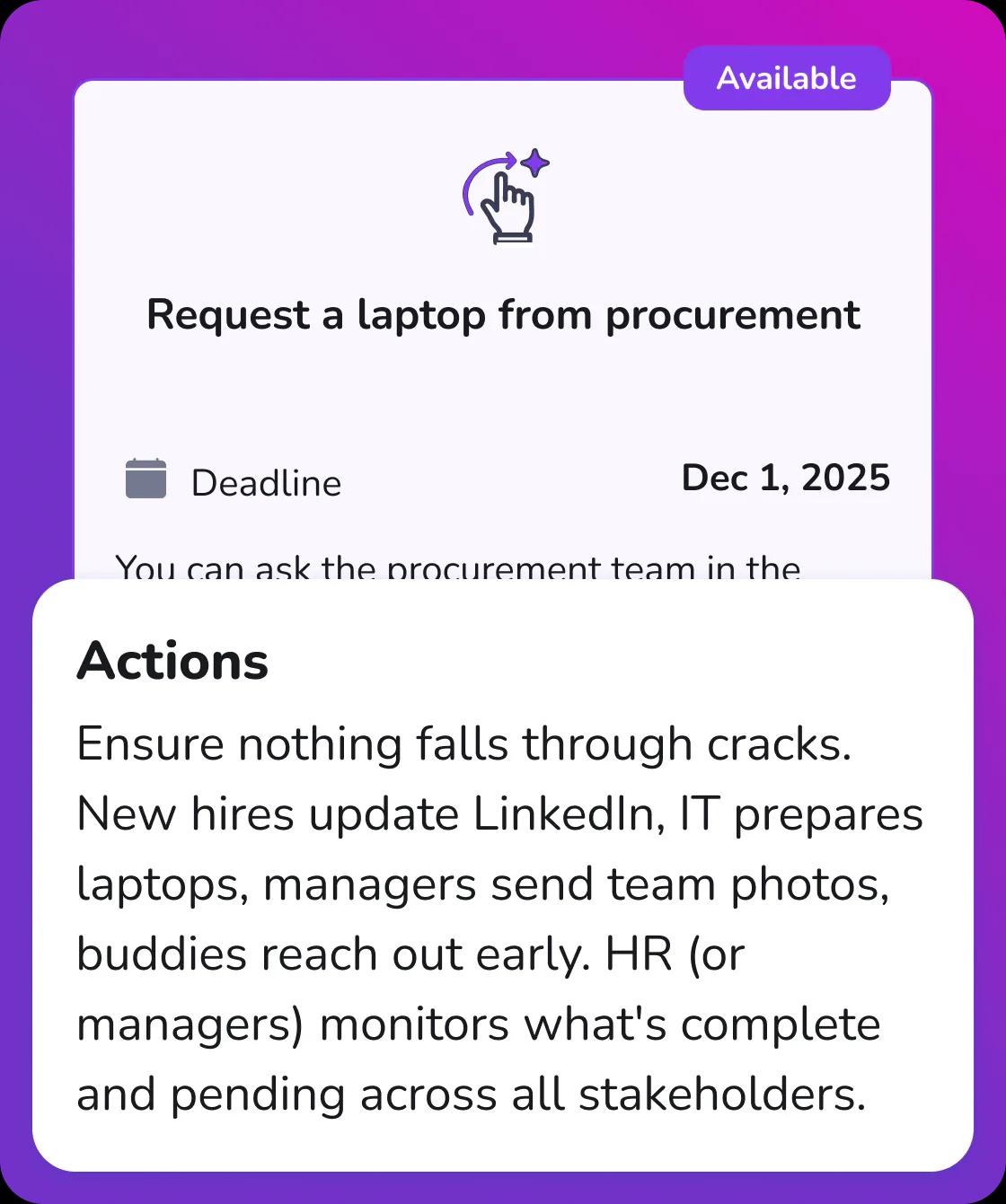
Activities feel purposeful. Learning mixes with action, solitude with connection, challenge with support. The journey responds to behavior. Complete early and future steps unlock ahead. Skip something and reminders escalate. Get stuck and HR gets alerted. The experience adapts while automation powers it.
Step 3
Eight activity types that engage
Stories
Turn culture into interactive adventures. Instead of reading about values, new hires discover them through escape rooms and scenarios that create emotional connection. Karl Kapp's research shows game-based learning produces 17% higher retention than lectures, with simulation games improving both knowledge and memory duration.
Puzzles
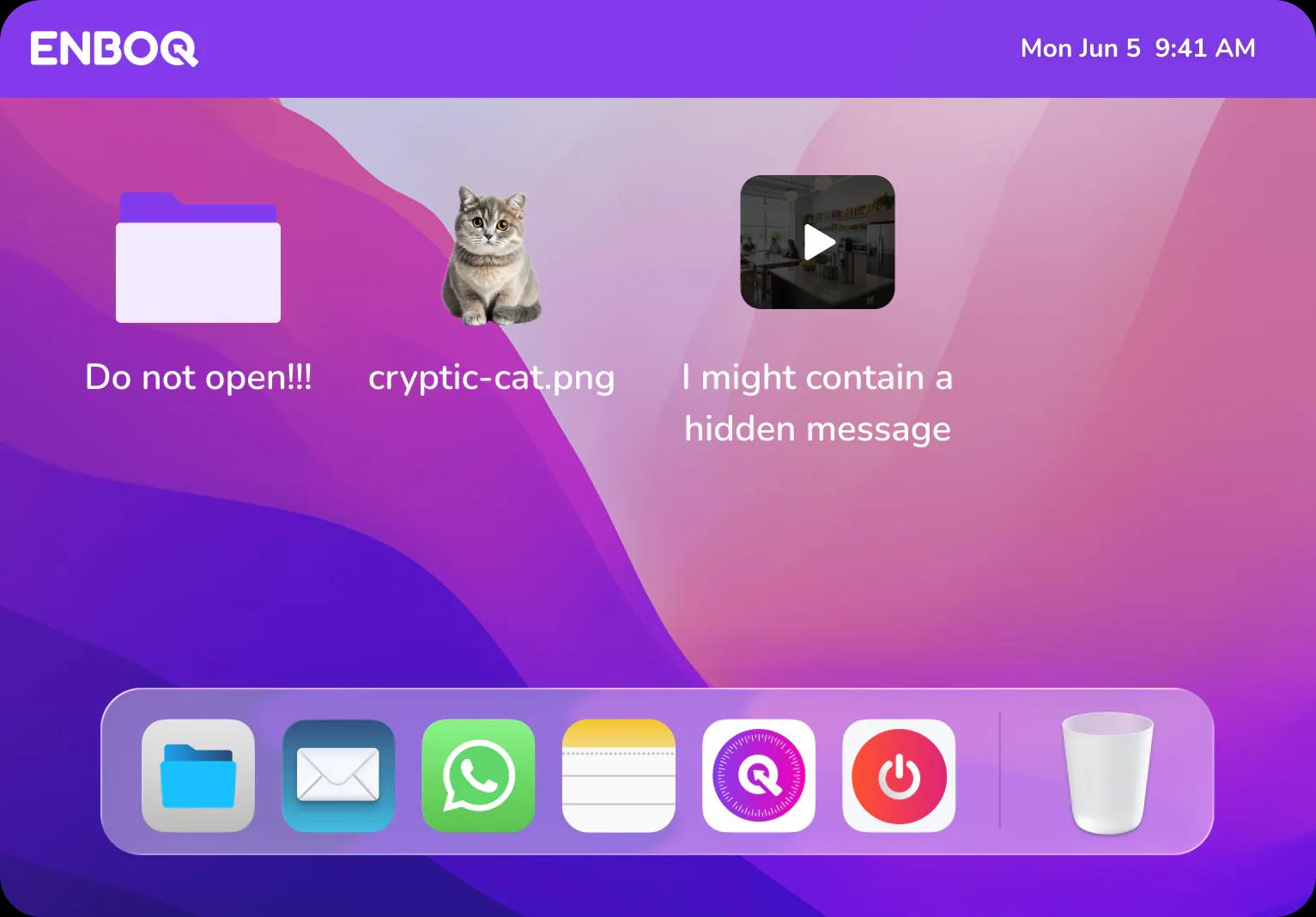
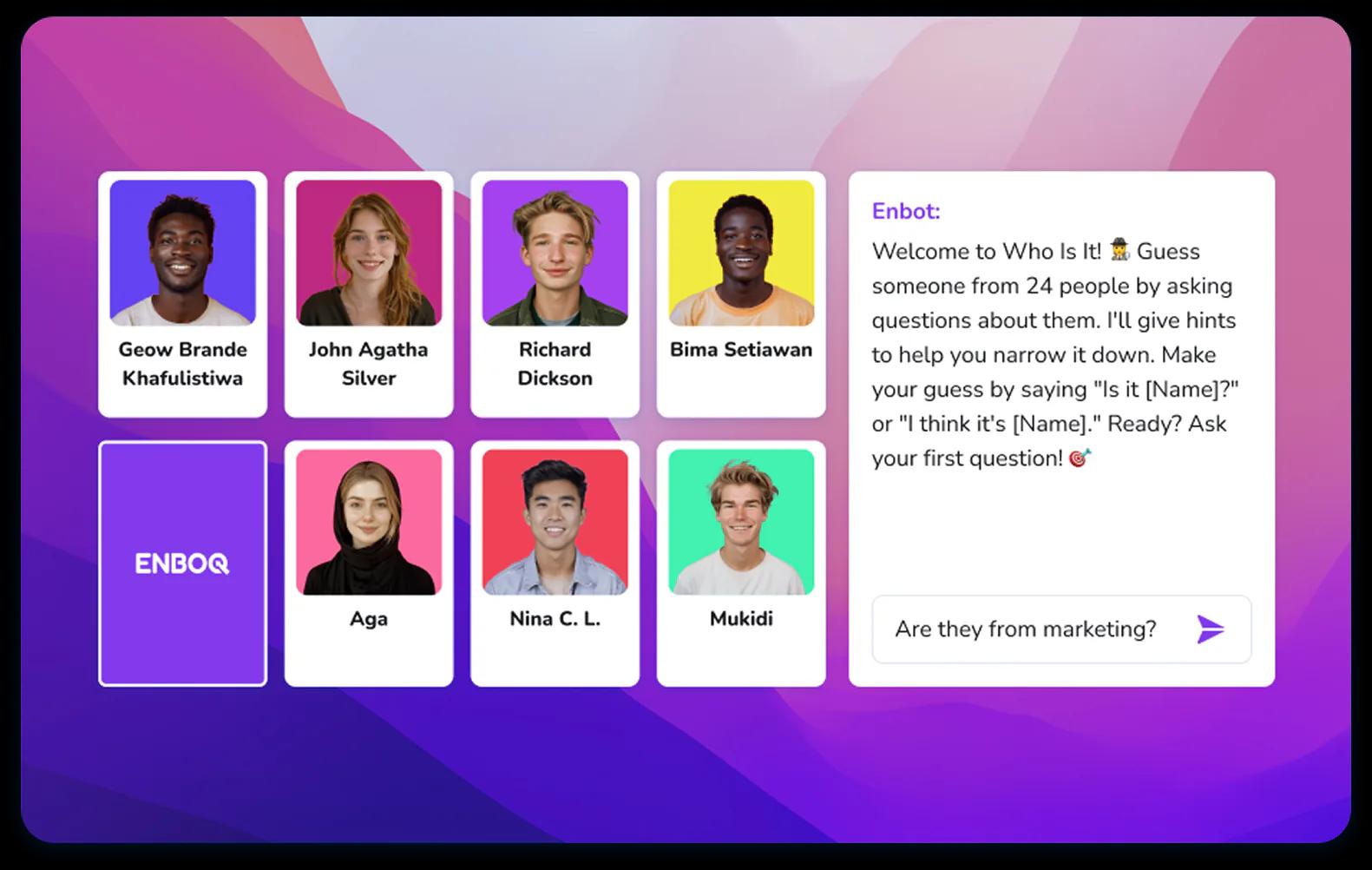
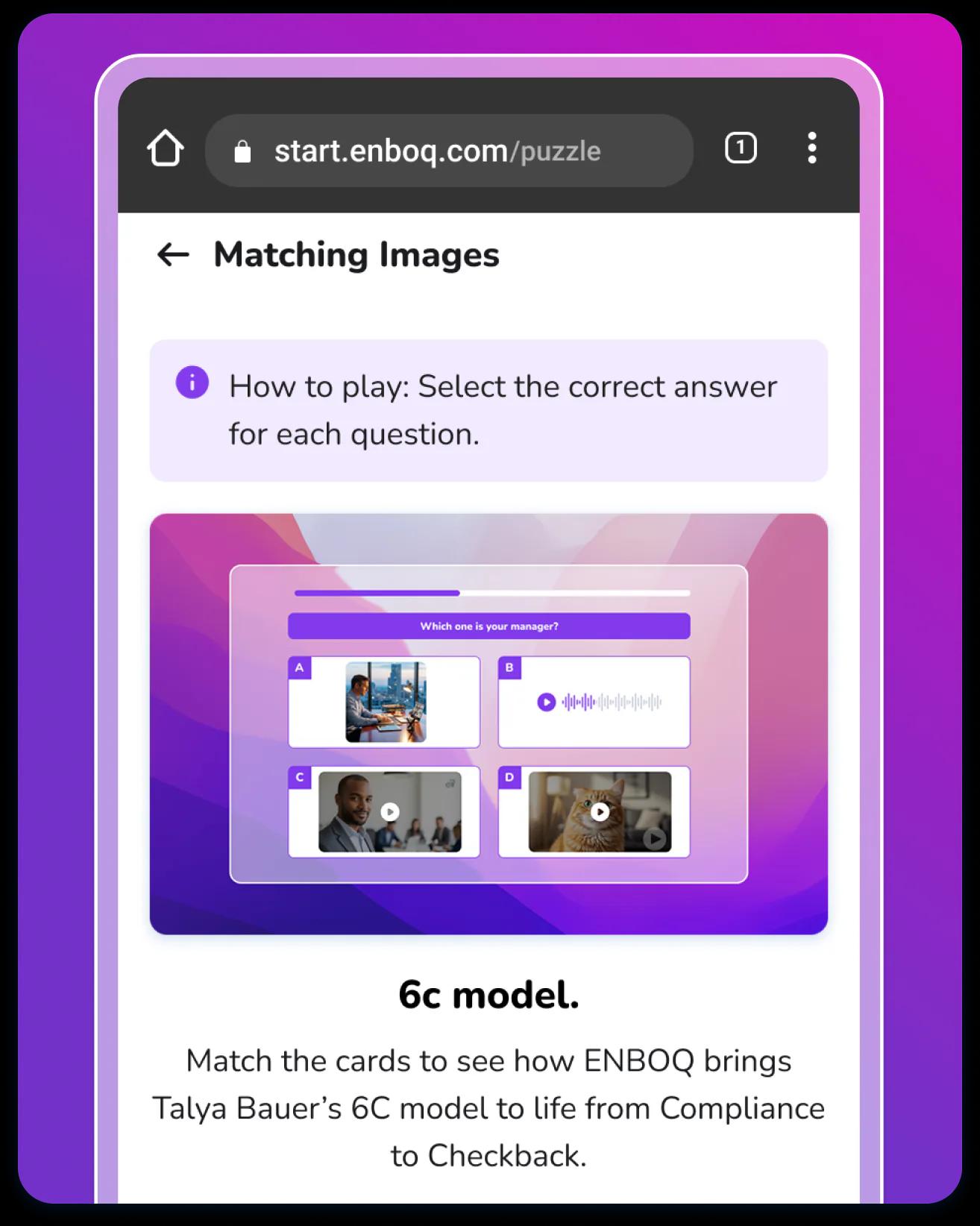
Make learning fun. Quiz dress codes and parking, word search core values, play "Who is it?" to discover teammates through yes-no questions. Sitzmann's meta-analysis shows learners trained with games demonstrate higher self-efficacy, motivation, and retention.
Everyone stays aligned automatically
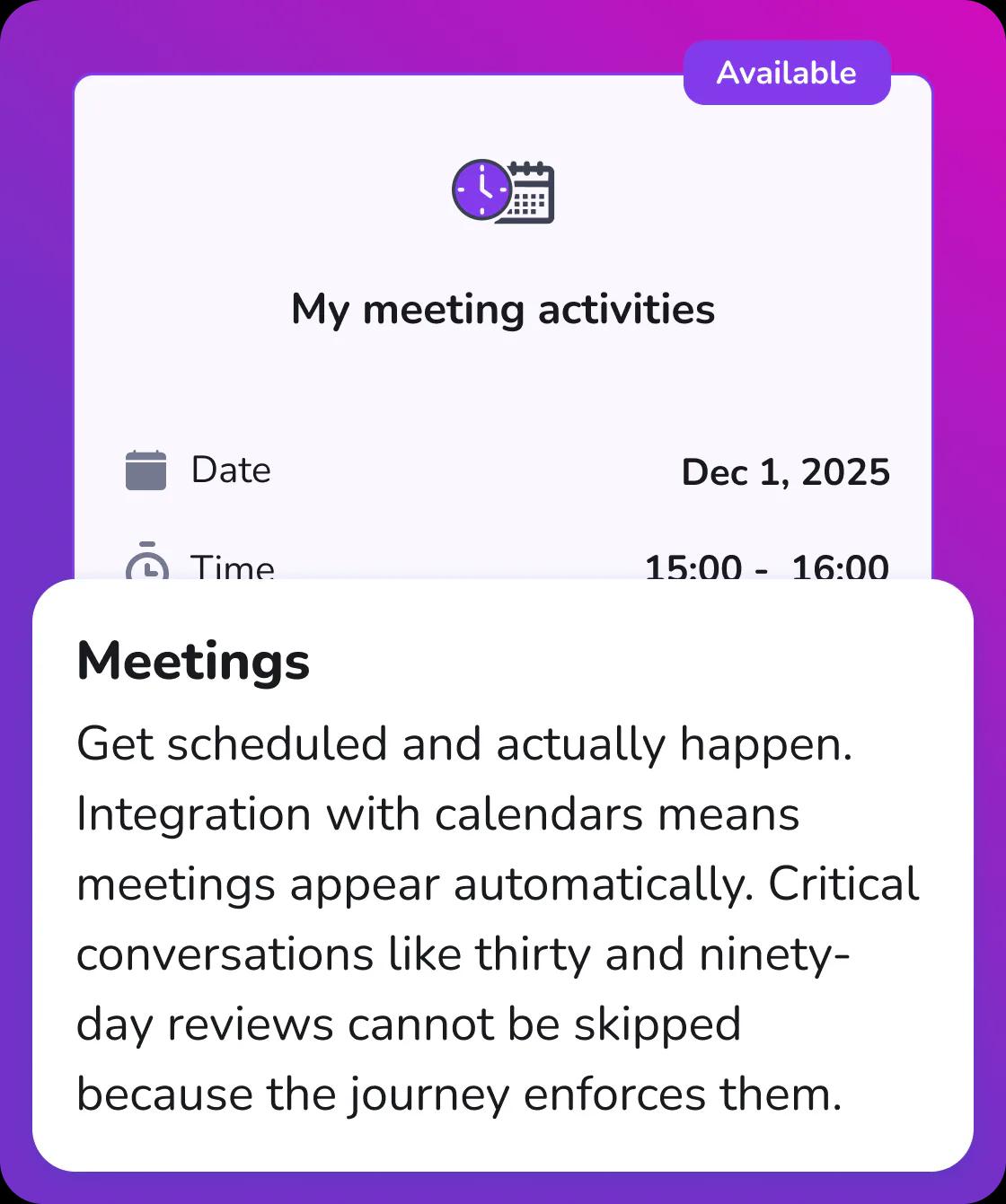
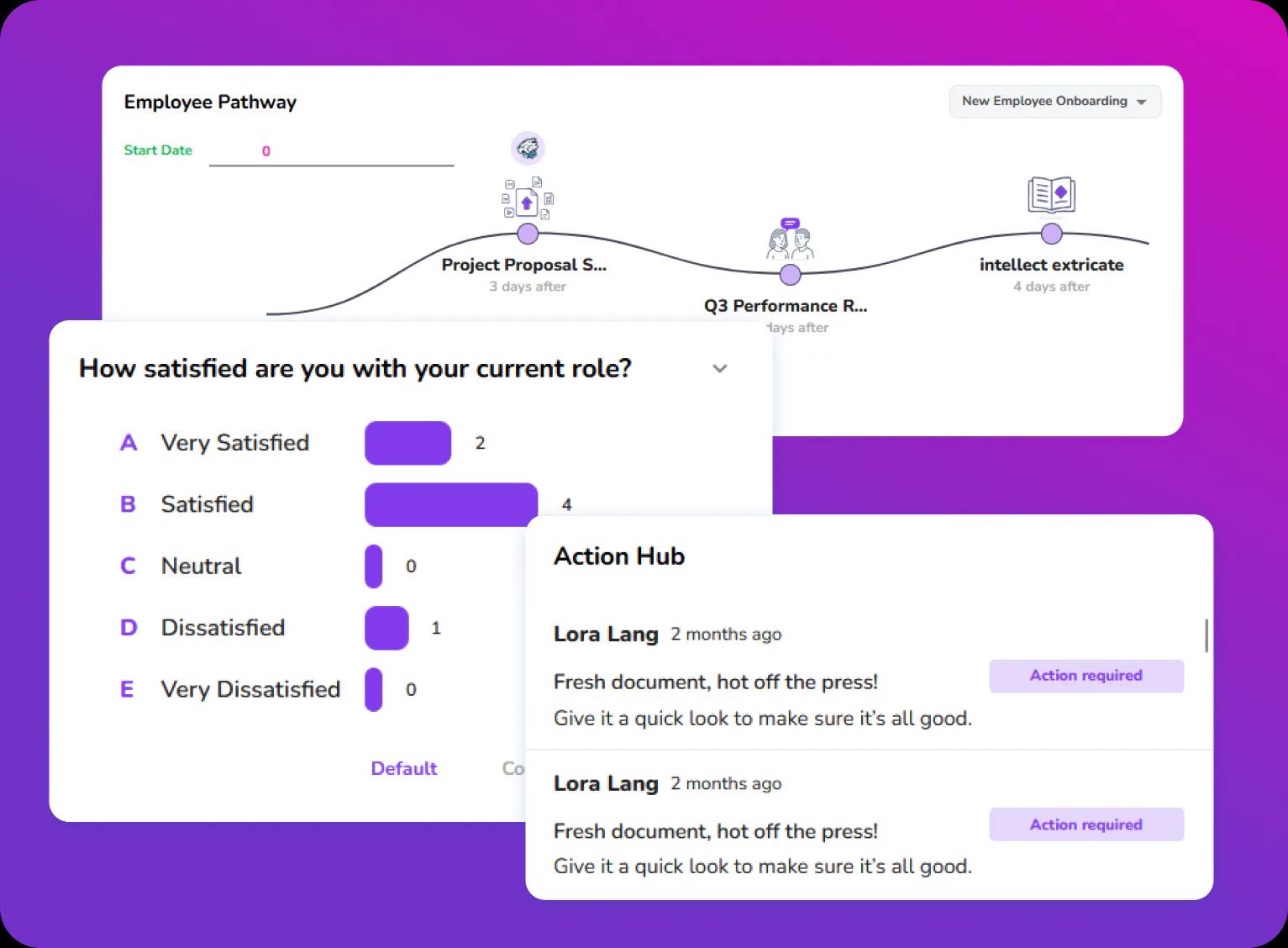
HR and managers see real-time dashboards showing progress across all new hires. Filter by department, start date, or completion status. Automated notifications alert managers when involvement is needed. Dependencies ensure correct sequencing. Intelligent reminders guarantee critical moments actually happen.
Designed For Everyone.
Your guide through the unknown
Starting new means unfamiliar faces, unspoken rules, uncertain expectations. Your journey shows exactly what to expect and when. Every morning reveals today's activities. Every activity brings you closer to belonging. The journey mixes learning with doing, challenge with support. You discover your community, understand your role, and find your place. Not just completing tasks but building genuine capability.
The science behind the journey
Spaced repetition enhances retention.
Hermann Ebbinghaus discovered in 1885 that learning distributed over time produces dramatically stronger retention than massed learning. Cepeda's research showed spaced practice outperformed massed practice in 259 of 271 experiments. When we deliver content across days and weeks, information moves from short-term to long-term memory.
Gamification increases engagement.
Karl Kapp's research demonstrates meaningful gamification includes challenge, narrative, feedback, and mastery. Sitzmann's meta-analysis found simulation games produced higher knowledge and retention than traditional instruction. Our interactive stories, puzzles, and progress tracking make onboarding genuinely enjoyable, driving completion rates from 15% to 85%.
Goal-setting drives performance.
When Buckley and Doyle studied over six hundred students in gamified versus traditional learning environments in 2020, the results confirmed what research published in Smart Learning Environments that same year had shown: gamification doesn't just increase engagement, it increases user retention and optimizes learning outcomes. The mechanism is psychological and powerful; game elements like points, challenges, and rewards tap into intrinsic motivation, making people complete content because they want to, not because they have to. For HR, this translates directly to completion rates that actually matter and knowledge that actually sticks.
Progressive disclosure prevents overload.
Cognitive load theory shows working memory has limited capacity. Sequencing information deliberately presents knowledge when relevant rather than overwhelming people on day one. New hires learn foundations before applications.
Behavioral triggers create action.
BJ Fogg's model shows behavior happens when motivation, ability, and triggers converge. Automated notifications prompt action at optimal moments when motivation is high and capacity allows completion.
Social connection predicts retention.
Research consistently demonstrates that relationships determine whether new hires stay or leave. Our journey weaves connection throughout through buddy matching, team activities, and collaborative goal-setting.
Building belonging through interactive discovery
Our vision is clear: making every new hire feel like they belong from day one. Interactive Stories embody this mission by replacing the lonely experience of clicking through static content with the engaging adventure of active discovery.
When new hires explore company history through the founder's eyes, they're not just learning facts; they're connecting emotionally with the organization's origin story. When they solve challenges using company values, those values stop being abstract concepts and become practical decision-making tools. When they navigate your IT systems to unlock clues, they're building actual familiarity that translates immediately to productivity.
Stories create belonging by making learning personal, engaging, and memorable. New hires who complete an interactive story don't feel like they've endured mandatory training; they feel like they've accomplished something meaningful. That sense of achievement, combined with genuine understanding of culture and systems, creates the foundation for long-term connection and engagement.
What People Say About Enboq Puzzles
See what our customers are saying. Read our testimonials to learn how Enboq has helped companies improve their onboarding process.
“Help! I was lost in the corporate jungle! Then Enboq's Buddy Match threw me a vine with a GPS. Now I'm swinging to success...and free donuts! Thanks, Enboq, you're my vine-swinging savior!”
Rehan - Fisherman
“Onboarding was like wrestling a kraken. Now, Enboq's match is my cheat code. I'm not just surviving, I'm leveling up! Enboq, you're the power-up I didn't know I needed!”
Rehan - Fisherman
“I thought work friendships were rarer than a unicorn riding a hoverboard. Then Enboq's Buddy Match happened! Now, work is less 'meh' and more 'Yaaas!'”
Rehan - Fisherman
Frequently Asked Questions
Your curiosity, answered. Explore our most frequently asked questions to quickly find the information you need about Enboq's features and benefits.
How do we handle new hires who start at different times when activities reference specific dates?
Can we A/B test different journey variations to see which performs better?
What happens when our organizational structure changes and journeys need major updates?
How do we balance automation with maintaining the human touch that makes onboarding special?
Can we integrate journey completion data with our performance management system?
Ready For More?
These features would power-up your onboarding journey.
Ready For More?
These features would power-up your onboarding journey.

Ready to make learning stick?
Turn knowledge into action, one puzzle at a time. Build confidence, culture, and curiosity through play; the brain’s favorite way to learn.